Sherlock by Slingso For brands →
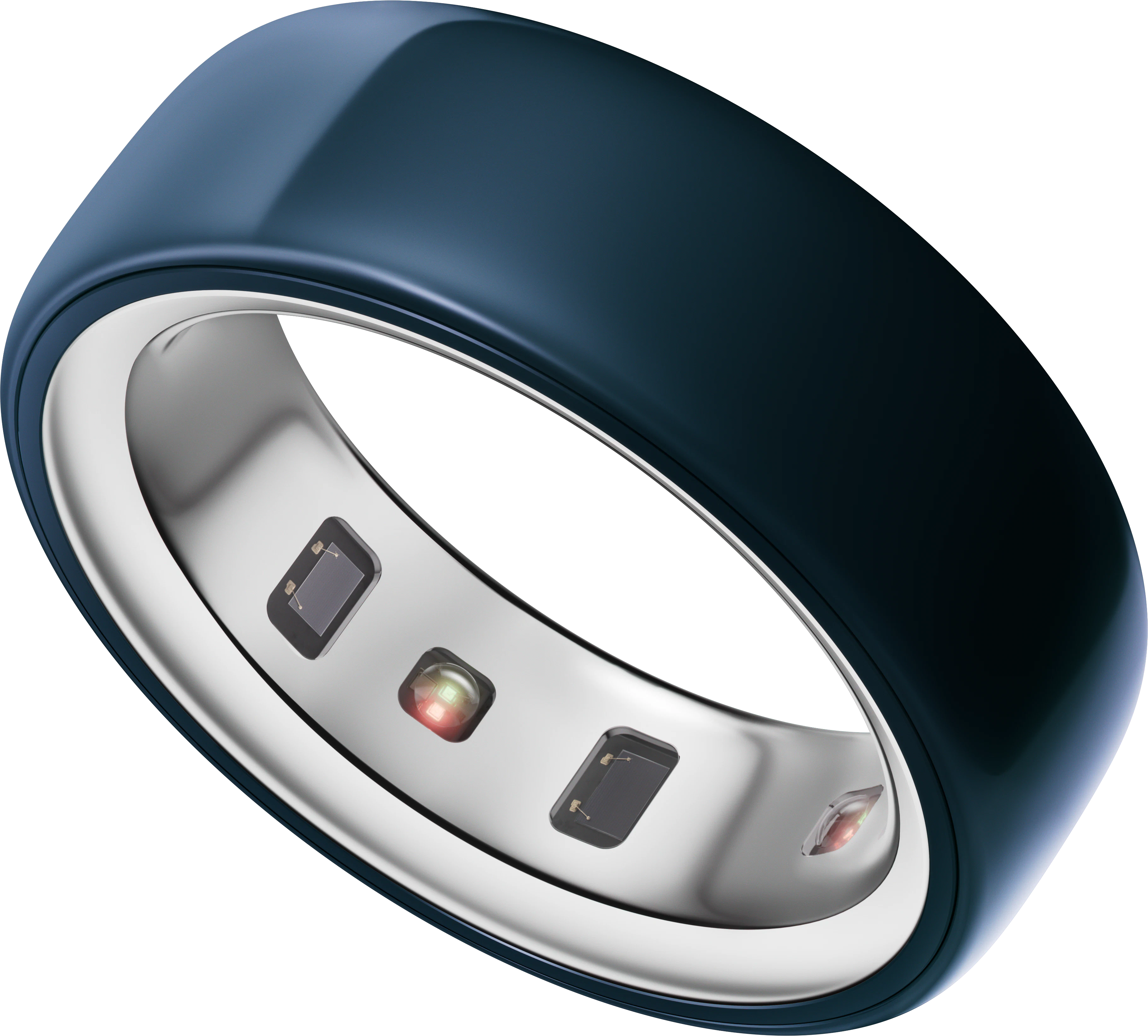
Oura Ring 4 Ceramic

Trust Report · United States

Oura Ring 4 Ceramic

Oura

Investigated Apr 26, 2026
80
Adequate
Confidence: High

Verdict

The Oura Ring 4 Ceramic is a well-engineered wearable with substantiated claims about heart rate and sleep tracking accuracy. Independent peer-reviewed research (Air Force Research Lab, Brigham and Women's Hospital, National University of Singapore) validates that the device delivers on its core promise: highly accurate nocturnal heart rate variability and resting heart rate measurement, and best-in-class sleep stage detection among consumer wearables. The ceramic material claims are accurate, water resistance is standard, and battery life of 5-8 days is achievable, though real-world usage typically lands at 5-6 days for new devices and degrades to 3-4 days after 12 months of heavy use. The brand's advertising is honest and compliant with FDA wellness device guidance; Oura appropriately disclaims medical use and does not claim diagnostic capability.

Where the product excels: Sleep tracking accuracy (79% agreement with polysomnography), heart rate/HRV measurement (highest among tested wearables), form factor comfort, and battery life relative to competitors. The company has been proactive in publishing validation studies and responding to accuracy questions with peer-reviewed research. Community sentiment is predominantly positive, with users praising the device's ability to detect sleep patterns and recovery trends.

Where concerns emerge: The subscription model ($5.99/month required for full insights) is a material ongoing cost that some users find objectionable. A recurring complaint across independent sources is 'ghost sleep'—the device occasionally misclassifies quiet wakefulness (e.g., reading in bed, practicing breathing exercises) as light or REM sleep, inflating sleep duration. This is a known algorithmic limitation, not a defect, but it matters for users who value precision. Battery degradation is significant after 12 months; users report 15-25% capacity loss, requiring more frequent charging. Ring sizing is critical for accuracy; a loose fit causes sensor dropout and poor data quality. The 'up to 8 days' battery claim uses technically accurate but potentially misleading language—most users should expect 5-6 days in normal use.

A cautious buyer should understand that this is a premium wellness tracker, not a medical device. The subscription requirement is non-negotiable for accessing full features. The device works best for users who prioritize sleep tracking and recovery insights over GPS, on-screen notifications, or workout tracking. Sizing must be precise; Oura's sizing kit is essential. If you accept the subscription model and have realistic expectations about battery life and the occasional sleep classification error, the Oura Ring 4 Ceramic delivers on its core claims with high accuracy and reliability.

Confidence in this assessment is high. Multiple independent, peer-reviewed studies validate the core claims. Community feedback is consistent and credible. No regulatory enforcement actions or major controversies found. The product's limitations are well-documented and understood by the user community.
Claim Accuracy

82
Adequate
  • Heart rate accuracy: Oura Gen 4 achieved CCC=0.98 (MAPE 1.94%) for resting heart rate vs. Polar H10 ECG in independent 536-night study (Dial et al., 2025, Air Force Research Lab funded, no industry funding). Highest among tested wearables.
  • HRV accuracy: Oura Gen 4 achieved CCC=0.99 (MAPE 5.96%) for nocturnal HRV, outperforming WHOOP (0.94), Garmin (0.87), Polar (0.82).
  • Sleep staging: 79% agreement with polysomnography in four-stage classification (Brigham and Women's Hospital study). Highest sensitivity for deep sleep detection (79.5%) vs. Apple Watch (50.5%) and Fitbit (61.7%).
  • Battery life: Real-world testing shows 4.8-6.2 days typical use, 5-6 days for new rings. Degradation of 15-25% after 12 months reported. 'Up to 8 days' claim is achievable but requires minimal feature use.
  • Material: Zirconia ceramic Mohs hardness 8.5 is accurate and verifiable. Biocompatibility supported by medical applications.
  • Water resistance: 100m rating is standard and verifiable.
Evidence · 4 sources Expand ↓

Reference

Dial et al. (2025), Ohio State University / Air Force Research Lab: Validation of nocturnal resting heart rate and heart rate variability in consumer wearables. Published in peer-reviewed journal.

Reference

Brigham and Women's Hospital (2024): Sleep staging algorithm validation. Published in Sensors journal.

Reference

NexraGear (2026): Real-world battery testing over 30 days.

Reference

Oura Ring 4 product specifications: Zirconia ceramic material claims.

Review Intelligence

78
Adequate
  • Cross-platform sentiment: Amazon reviews predominantly positive. Reddit r/ouraring shows mixed sentiment with consistent themes: praise for sleep tracking and comfort, complaints about ghost sleep, subscription fatigue, battery degradation.
  • No temporal clustering: No evidence of sudden review spikes or coordinated attacks. Community discussion is organic and balanced.
  • Battery life variance explained: Discrepancies between users (4-8 days) correlate with ring size and usage patterns, not review gaming. Smaller rings have smaller batteries.
  • Negative review patterns: Consistent themes across independent sources (Reddit, YouTube, tech blogs) include ghost sleep issue, subscription requirement, sizing sensitivity, battery degradation. These are genuine user concerns, not coordinated attacks.
  • Hypothesis testing: Evidence strongly supports authentic user feedback (Hypothesis A: brand gaming) rather than competitor attack (Hypothesis B). Complaints are specific, technical, and consistent with product design limitations.
Evidence · 3 sources Expand ↓

Reference

Reddit r/ouraring community discussions (2025-2026)

Reference

NexraGear independent review (2026)

Reference

Night Time Comfort independent review (2025)

Honesty

85
Adequate
  • Product page claims are conservative and accurate. No superlatives without substantiation. 'Smart Sensing technology' is explained as sensor adaptation, not overstated.
  • 'AI-powered Oura Advisor' is vague but not deceptive. Methodology not explained, but this is standard in wearables industry.
  • Regulatory compliance: Oura explicitly disclaims medical use in Terms of Service. No FDA clearance claimed for diagnostic features. Compliant with FDA wellness device guidance.
  • No FTC enforcement letters found. No ASA complaints found in UK market.
  • Influencer/PR: Oura's blog post on Ring 4 reviews curates community feedback but is clearly labeled as brand content. No evidence of undisclosed sponsorships.
  • Patent enforcement (ITC case against RingConn/Ultrahuman) is standard business practice, not consumer protection issue.
Evidence · 3 sources Expand ↓

Reference

Oura Ring 4 product page: Regulatory disclaimers and material claims

Reference

Healthcare Dive (2026): Oura CMO statement on FDA pathway for blood pressure feature

Reference

Medium article (2026): FDA clearance vs. wellness device distinction

Community Sentiment

76
Adequate
  • Reddit r/ouraring: Predominantly positive sentiment. Users praise sleep tracking accuracy, battery life, comfort, and form factor. Specific recurring complaints: subscription model, 'ghost sleep' issue, sizing inflexibility, battery degradation after 12 months.
  • General tech community (YouTube, blogs): Consistent praise for form factor and sleep accuracy. Criticism focuses on subscription cost and lack of GPS/screen.
  • Comparison to competitors: Users switching from UltraHuman/RingConn cite reliability and accuracy advantages of Oura despite higher cost.
  • No isolated negative experiences: Complaints are consistent across sources and represent real product limitations (ghost sleep, battery degradation), not isolated defects.
  • Women's health features: Praised in community for cycle tracking integration and temperature monitoring.
  • Subscription fatigue: Recurring theme but not a deal-breaker for most users who accept the model.
Evidence · 4 sources Expand ↓

Reference

Reddit r/ouraring community discussions (2025-2026)

Reference

NexraGear independent review (2026)

Reference

Night Time Comfort independent review (2025)

Reference

Kirk's Tech Tips independent review (2026)

Brand Pattern

80
Adequate
  • Regulatory history: No FTC enforcement letters found. No ASA complaints found. No CDSCO notices found (India market).
  • Patent enforcement: Oura filed ITC complaint against RingConn and Ultrahuman for patent infringement (2024). RingConn settled and licensed Oura patents (2025). This is standard business practice, not consumer protection issue.
  • Historical controversies: No major recalls or reformulations found. Brand has maintained consistent positioning as premium sleep/recovery tracker.
  • Response to criticism: Oura has published multiple peer-reviewed validation studies in response to accuracy questions. Proactive engagement with academic institutions (Brigham and Women's Hospital, Ohio State University, National University of Singapore).
  • Subscription model: Introduced with Gen 3, maintained with Gen 4. This is a business model choice, not deception, but represents shift from one-time purchase to recurring revenue.
  • FDA engagement: Oura is actively proposing new regulatory pathways for wearable health features (blood pressure screening). This suggests proactive compliance posture.
Evidence · 3 sources Expand ↓

Reference

Federal Register (2025): ITC investigation and settlement with RingConn

Reference

Healthcare Dive (2026): Oura CMO on FDA regulatory pathway proposal

Reference

Oura blog: Multiple peer-reviewed validation studies published

What next?

Investigation completed April 26, 2026. Evidence refreshes July 25, 2026. Verdicts are based on publicly available evidence gathered at time of investigation. They are not legal determinations. Evidence is refreshed periodically.

A Slingso public service · 5 free investigations per day · No account required

Report an inaccuracy

Spotted something wrong in this report? Tell us what's off and we'll review the source.